Venice is one of the world's most iconic historic cities, renowned for its intricate network of canals, bridges, public squares, and centuries-old architecture. Built upon a lagoon, the city demonstrates how urban environments can evolve in harmony with water while preserving an extraordinary cultural and architectural heritage. Venice provides a unique context for studying conservation, adaptive reuse, urban resilience, and the challenges of protecting historic cities in the face of climate change and increasing tourism.
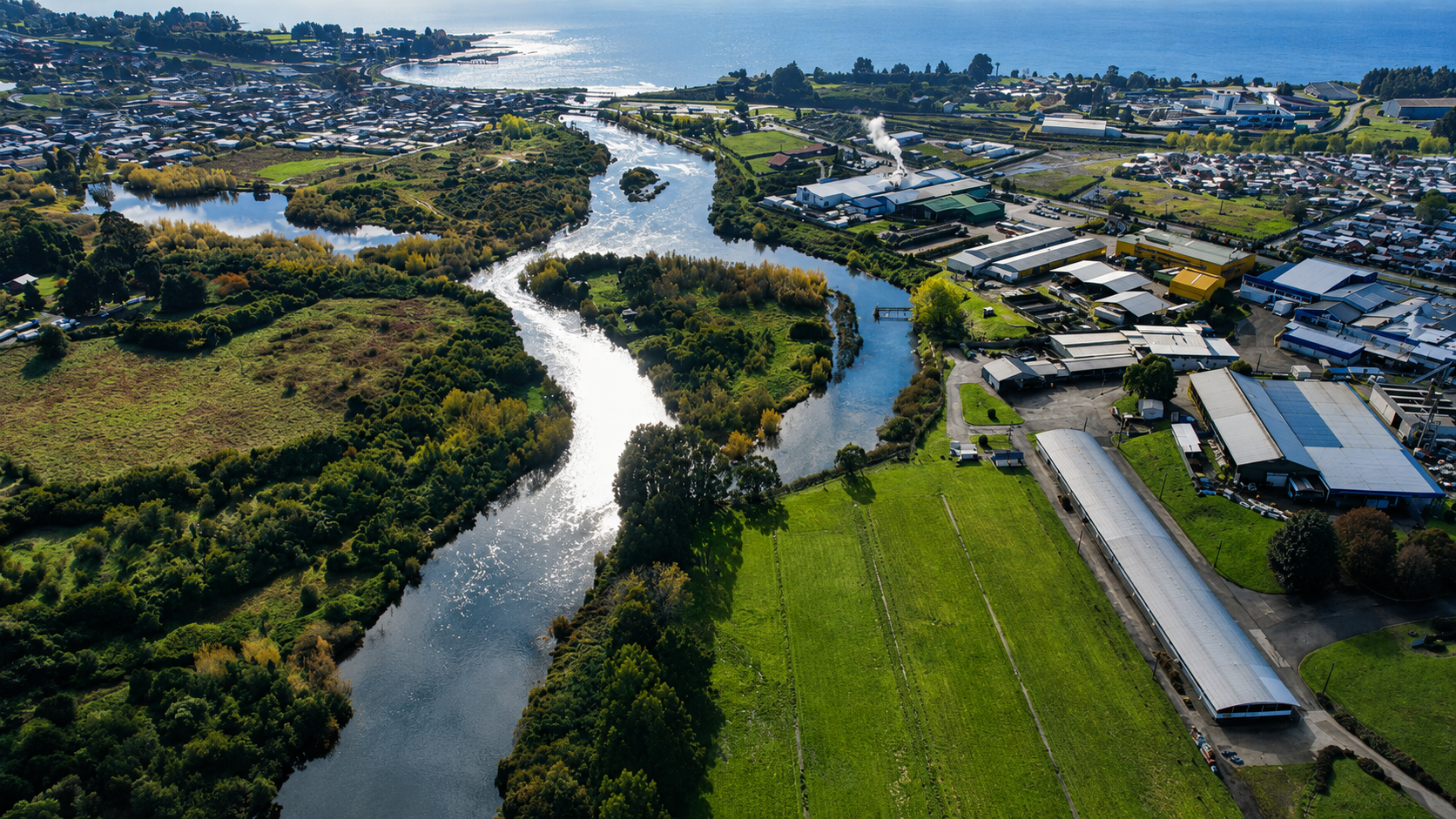
Patagonia is a vast and extraordinary region shared by Chile and Argentina, celebrated for its dramatic landscapes, glaciers, mountains, forests, and remote settlements. Unlike highly urbanised cities, Patagonia presents opportunities to study the relationship between architecture, nature, climate, and sustainability. Its unique environmental conditions encourage participants to explore resilient design approaches that respond sensitively to ecological systems, local communities, and the preservation of natural landscapes.
Tokyo is a global centre of innovation, technology, and architectural experimentation. Despite its immense scale and density, the city demonstrates remarkable efficiency, resilience, and human-centred urban design. Its neighbourhoods reveal a unique relationship between tradition and modernity, where historic temples, compact housing, advanced infrastructure, and contemporary architecture coexist seamlessly. Tokyo offers participants an opportunity to examine how cities adapt to changing social, environmental, and technological demands while maintaining a strong cultural identity.
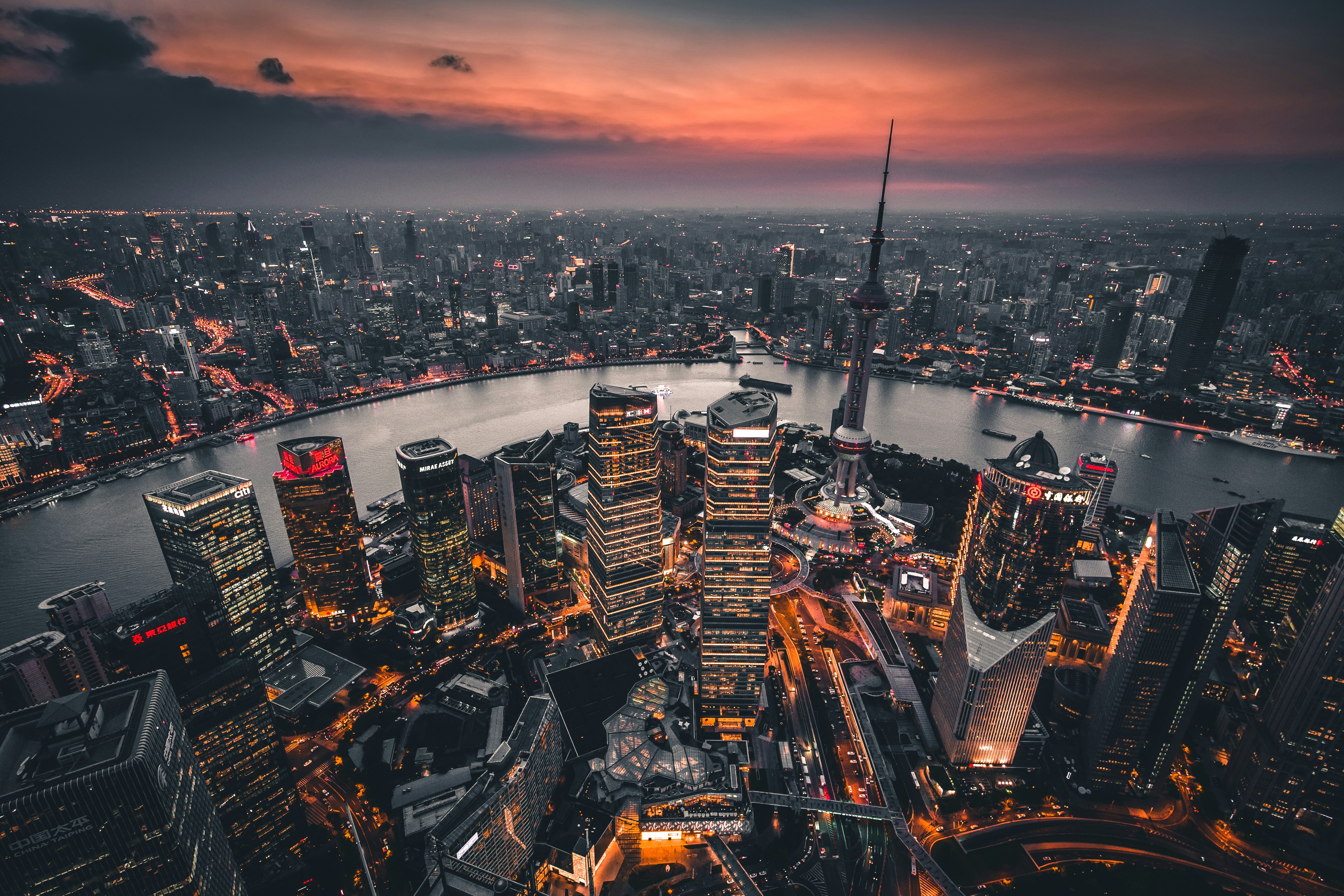
Shanghai is one of the world's most dynamic megapolis cities, where historic neighbourhoods stand alongside cutting-edge skyscrapers and large-scale urban development. The city reflects the balance between preserving cultural identity and embracing rapid economic and technological growth. Its diverse urban conditions, complex infrastructure, and high-density environment provide an exceptional context for exploring architecture across multiple scales, from local communities to global urban systems.
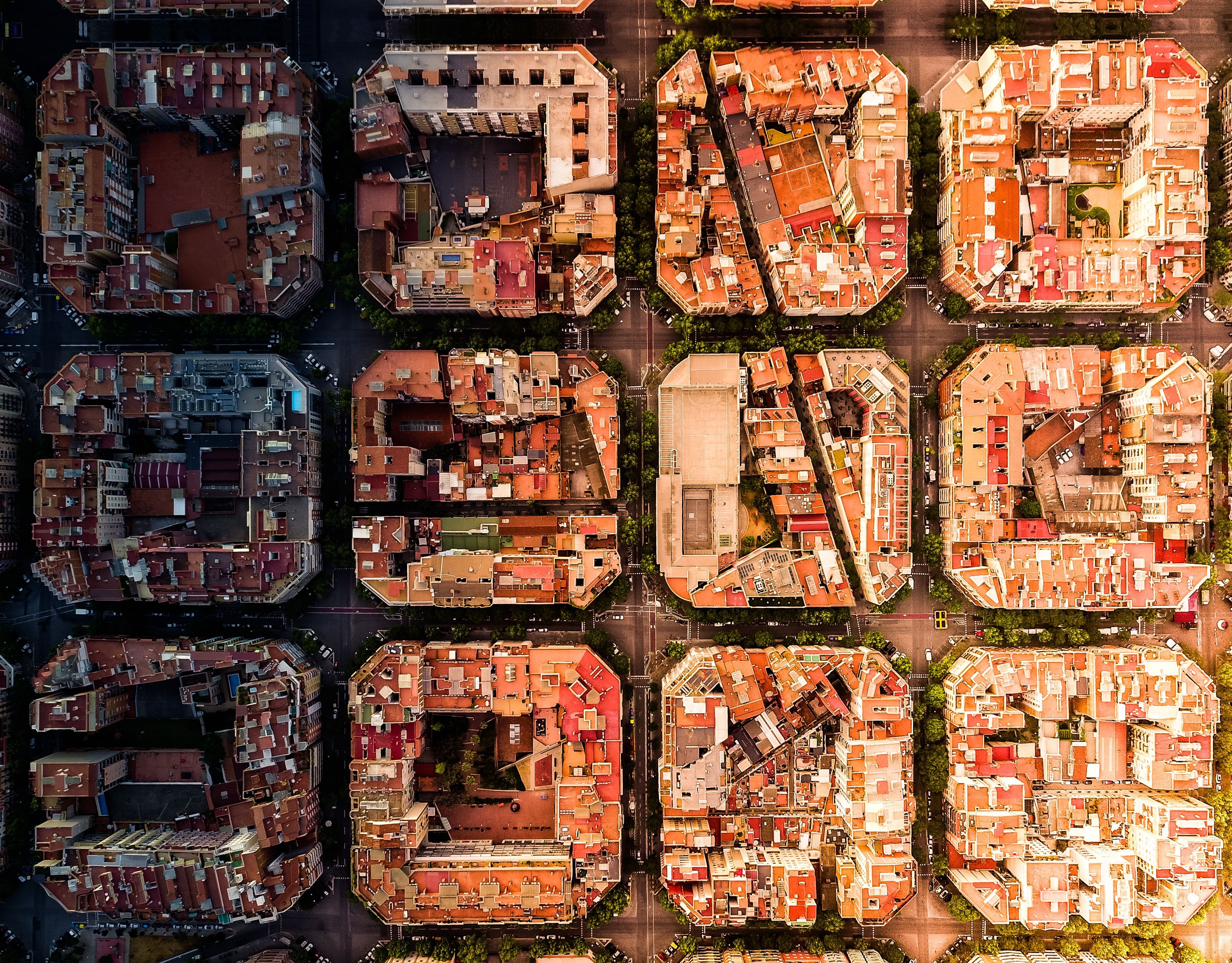
Barcelona is internationally recognised for its innovative urban planning, architectural heritage, and vibrant public spaces. From the historic Gothic Quarter to the modernist works of Antoni Gaudí and the city's renowned grid system, Barcelona demonstrates how architecture, mobility, and public life can be thoughtfully integrated. As a living laboratory of urban design, the city offers valuable opportunities to study density, public space, sustainability, and the relationship between culture and the built environment.
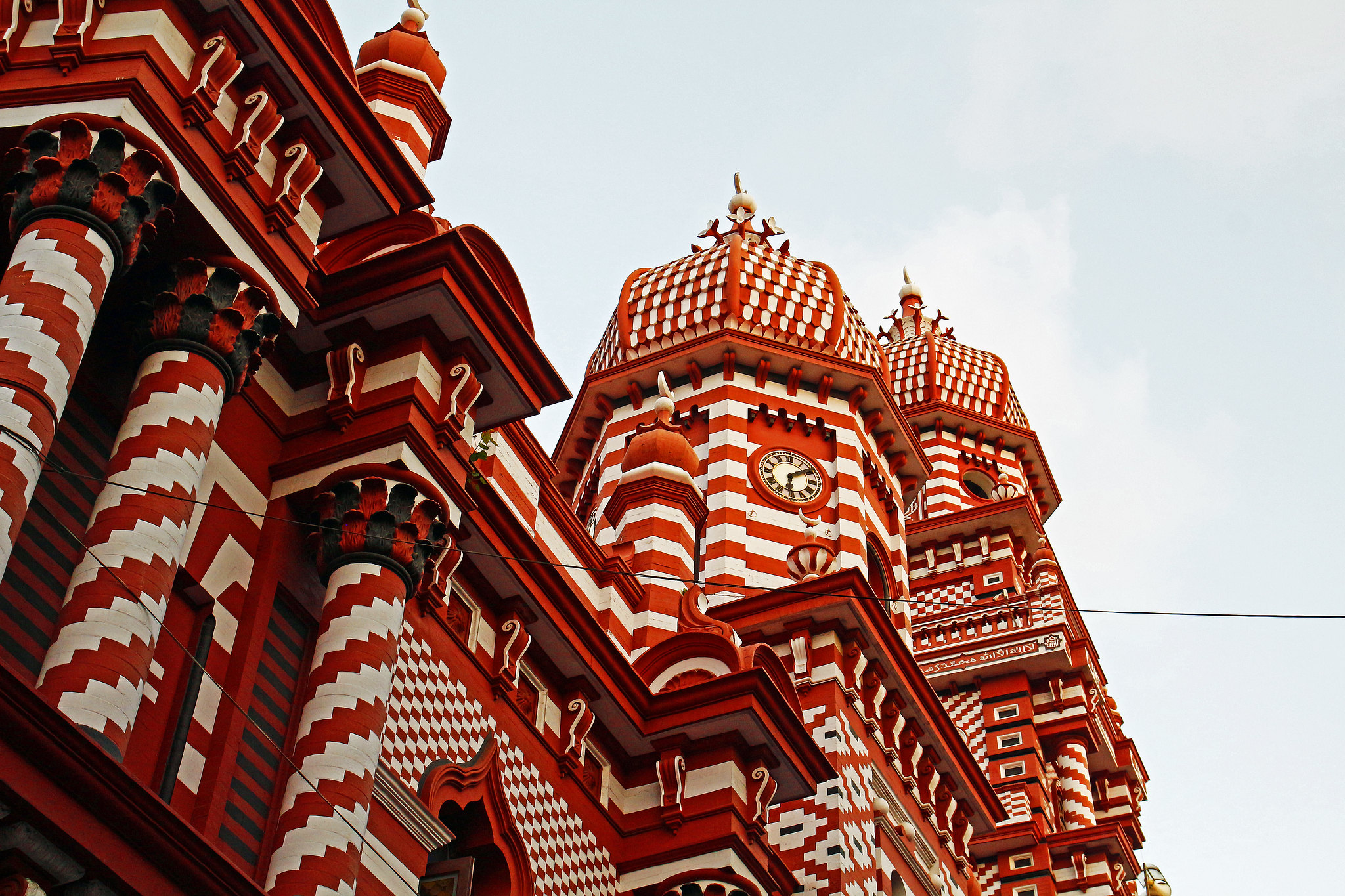
Colombo is a dynamic coastal capital where history, culture, and rapid urban development coexist within a complex megapolis landscape. Influenced by Portuguese, Dutch, and British colonial histories alongside contemporary South Asian growth, the city presents a rich diversity of architectural styles, public spaces, waterfronts, and mixed-use neighbourhoods. Its layered urban fabric provides an ideal environment for exploring themes of heritage, resilience, sustainability, and urban transformation, making Colombo a compelling setting for collaborative architectural research and design.
Applications for future editions open to architecture students and faculty worldwide. Partner universities, institutions, and sponsors are welcome to get in touch.